

Overview
The Global Partnership on Plastic Pollution and Marine Litter (GPML) is a UN Environment Programme initiative. It brings together governments, NGOs, scientists, intergovernmental organisations and the private sector around one goal: ending plastic pollution. Its digital platform gathers knowledge, data and people in one place, with thousands of resources, lifecycle indicators and tools that help countries build their national plastic strategies.
We were invited to imagine a new identity and website for the platform. The project wasn’t launched, and GPML kept its existing platform. For us it was still a valuable piece of work. It was a deep dive into designing for a global, multi-stakeholder audience, and a reminder that even complex institutional content can feel human, hopeful and easy to use.
Brand Identity
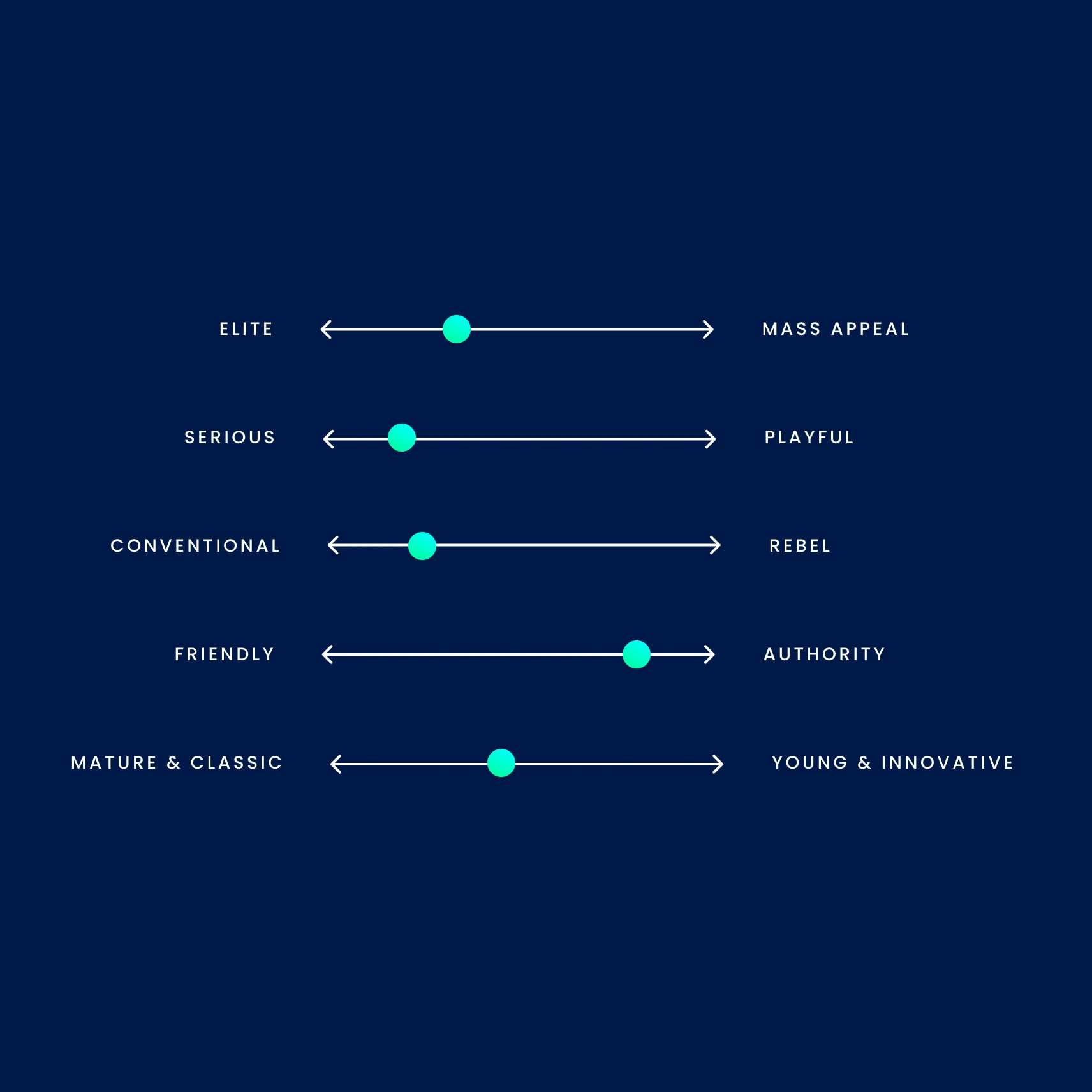
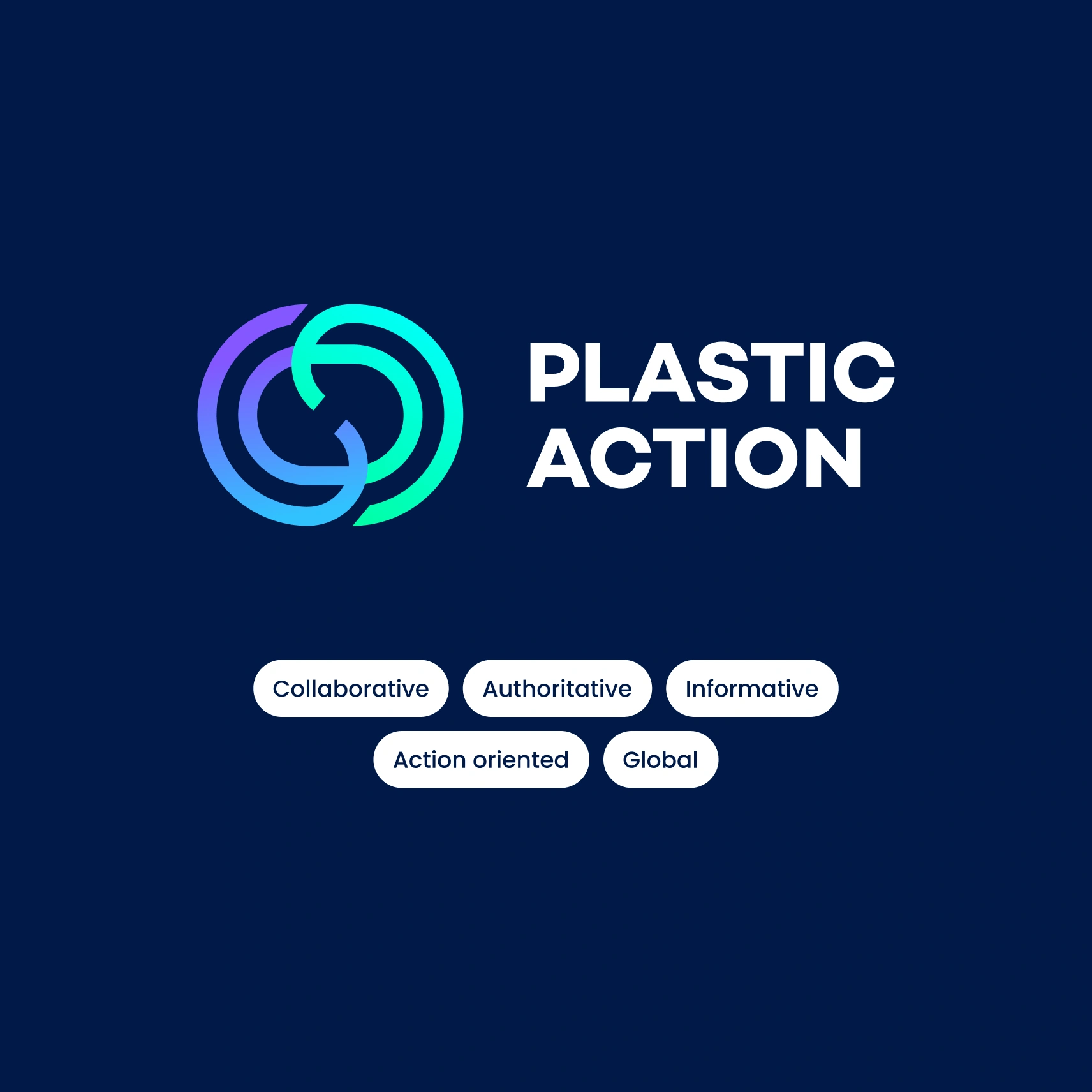
We built the identity around “The Plastic Action”, a name that turns a long institutional title into a call to act. The logo is made of two interlocking loops, a symbol of circularity and of different partners working as one.
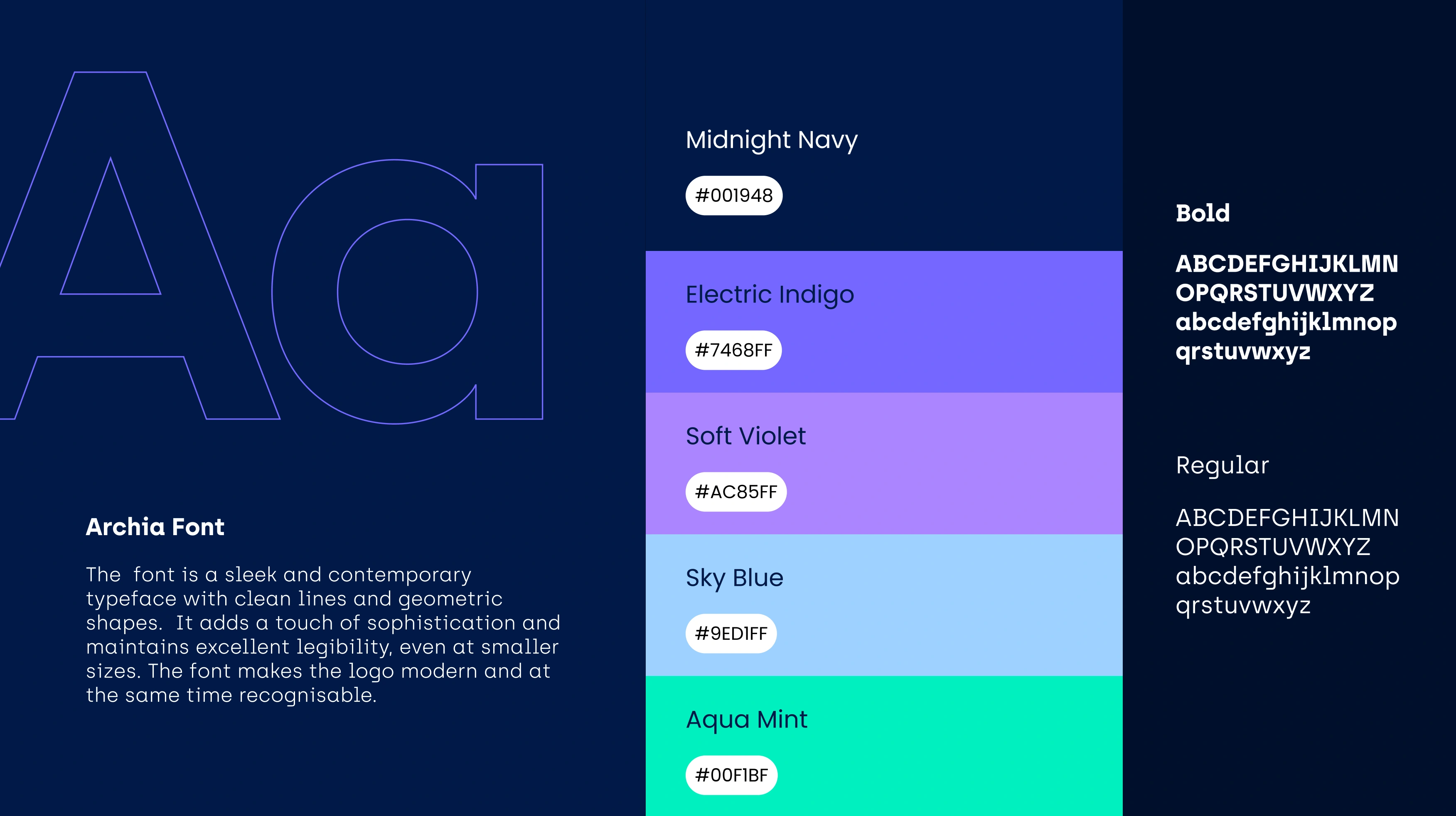
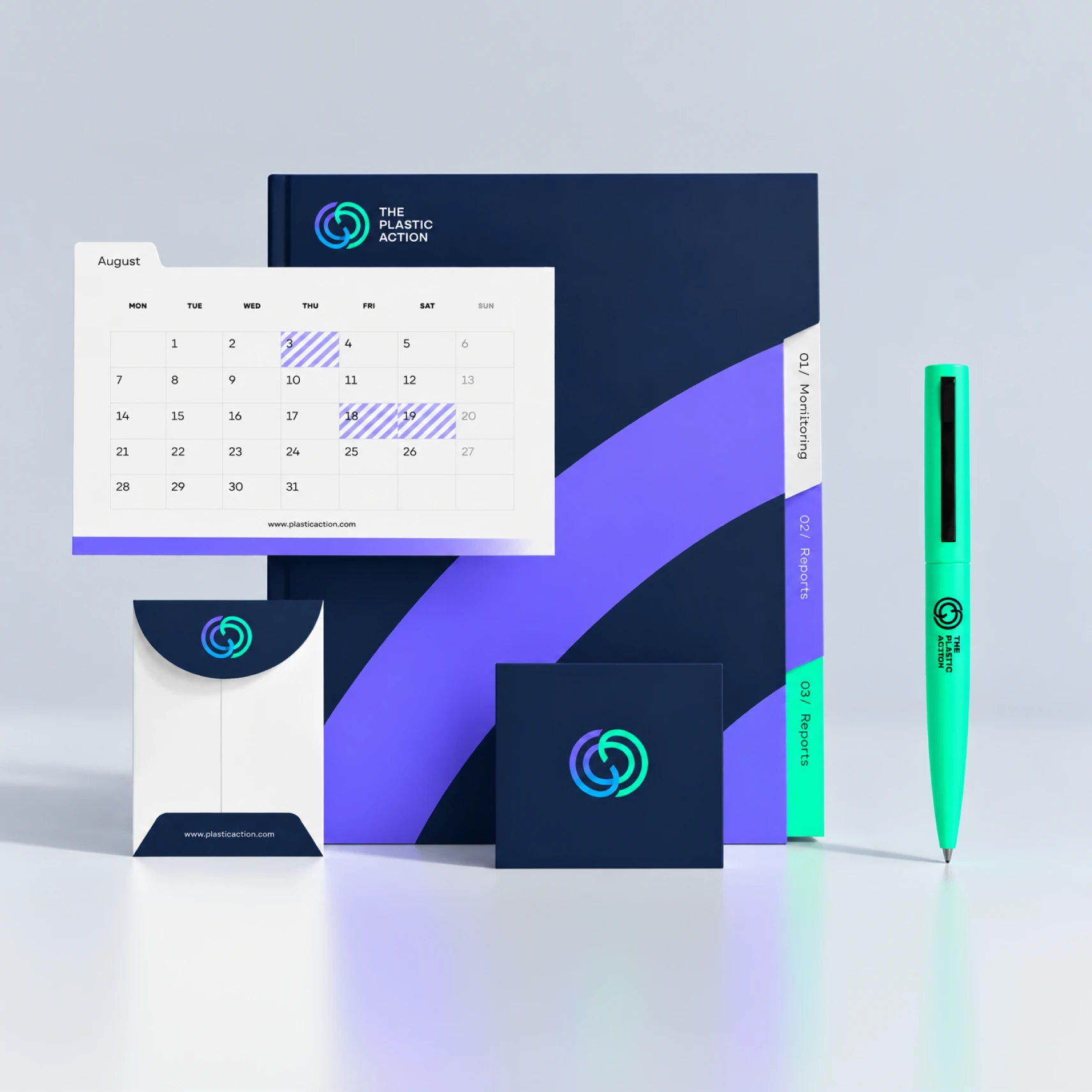
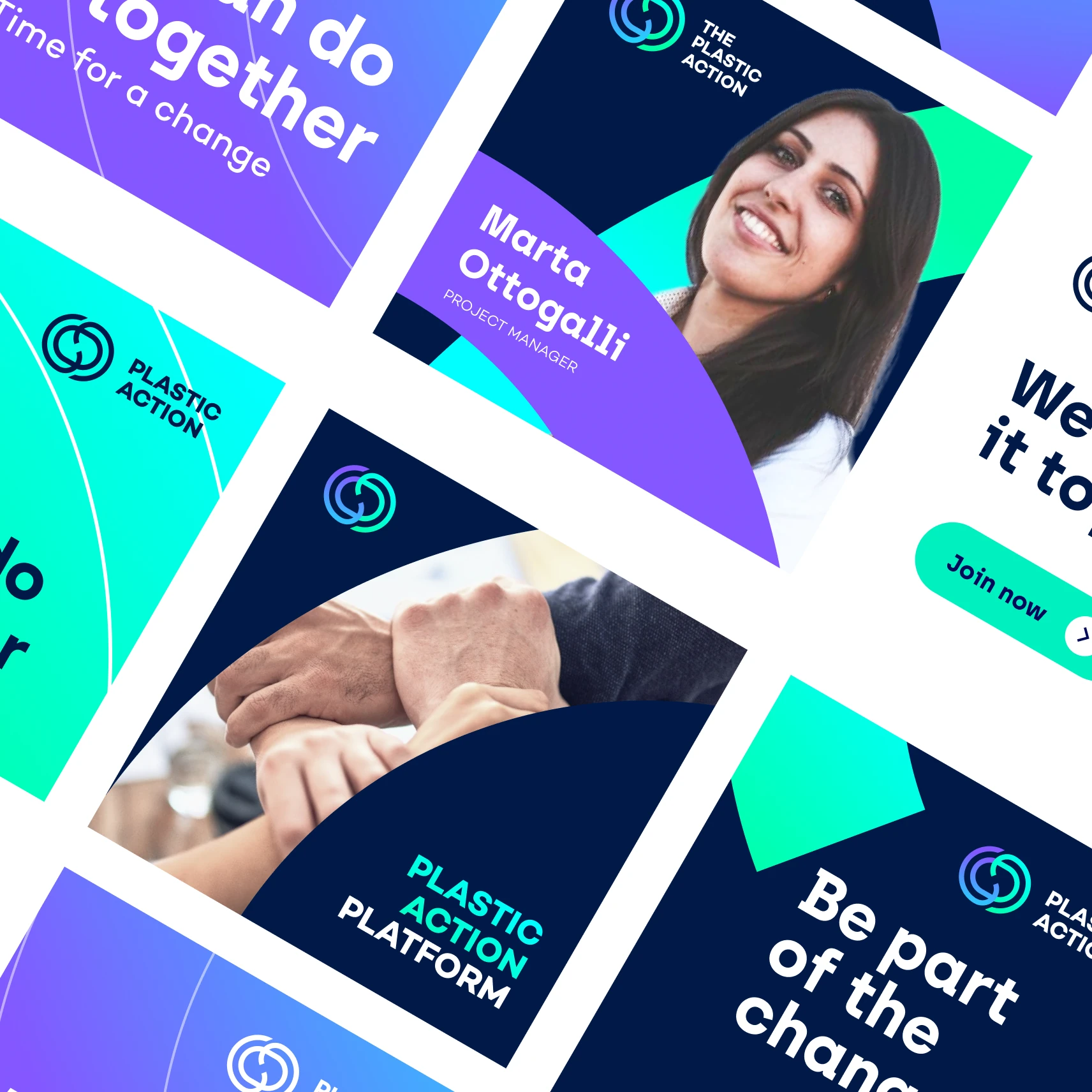
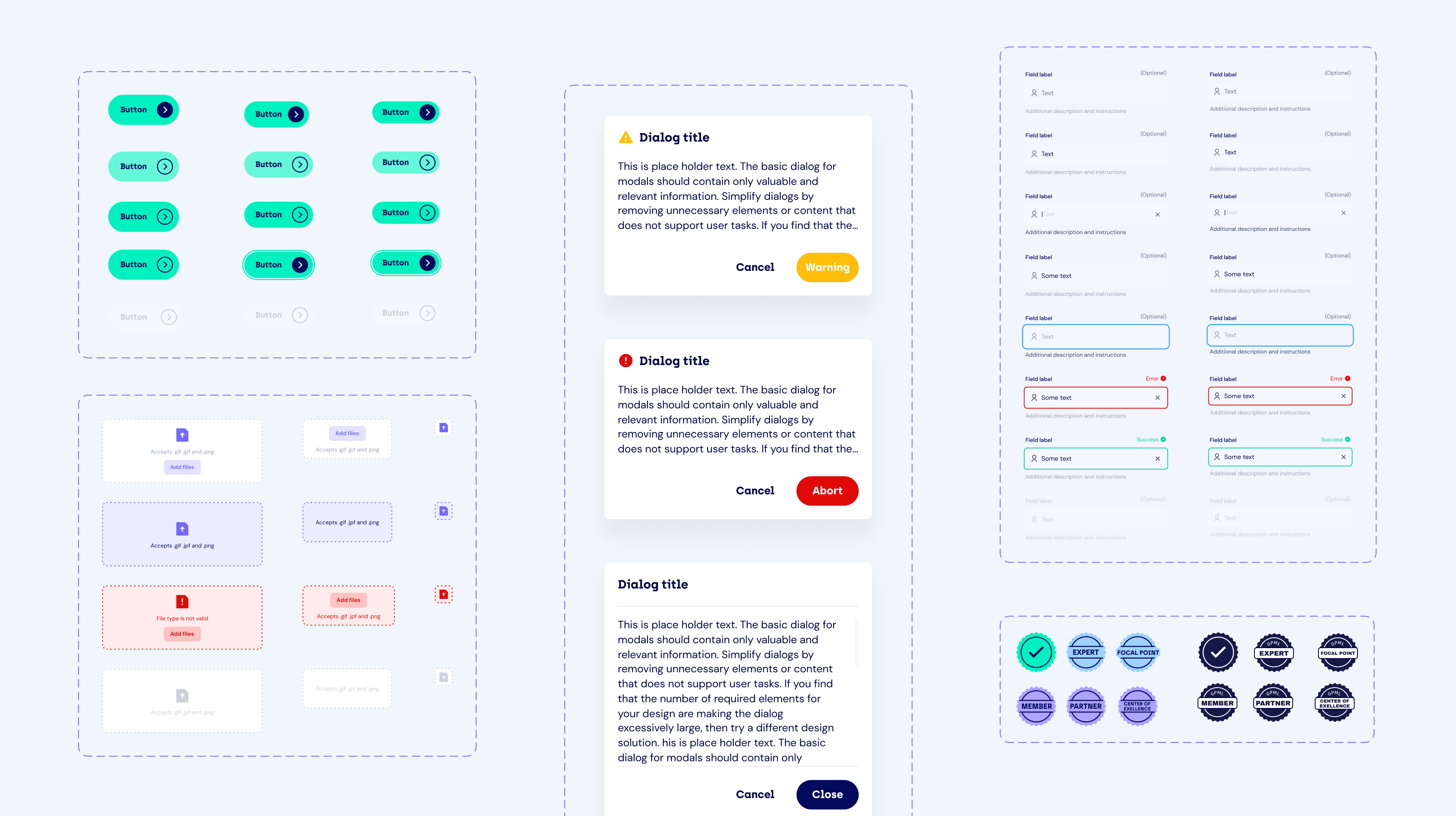
The palette pairs a deep Midnight Navy, standing for the ocean and seriousness, with Electric Indigo, Lavender, Sky Blue and a fresh Mint that brings energy and hope. Large curved shapes run through every touchpoint, echoing waves and the circular economy. We carried the system across social media templates, team introductions, stationery, notebooks, envelopes and branded pens.
The Logo
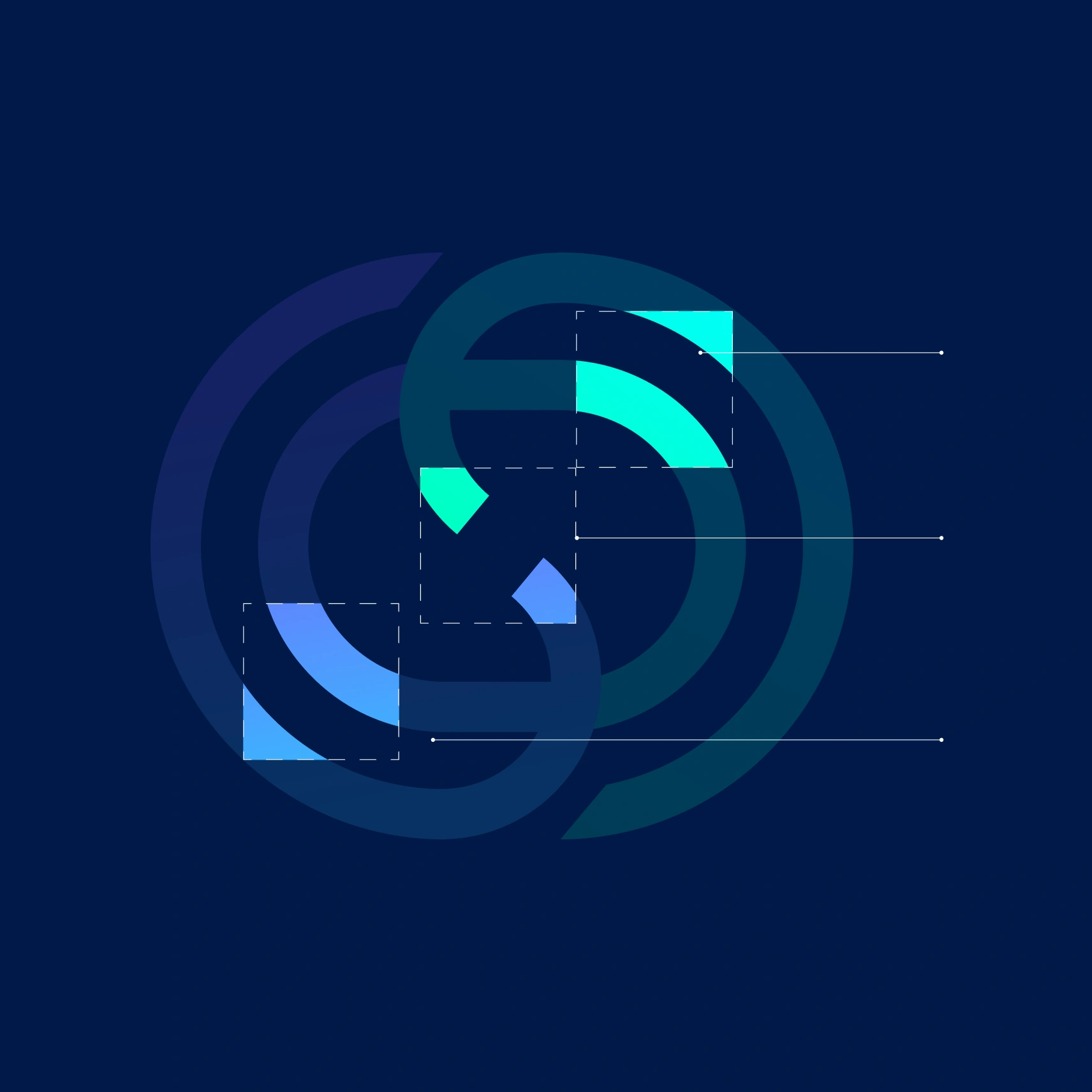
Two open rings loop into each other, like different partners who only become whole together. Their inward-turning ends turn the mark into a cycle, a nod to recycling and to keeping plastic out of the ocean. The gradient flows from deep Indigo to fresh Mint, from the depths of the ocean to clean, living water.
The Key Visual
We zoomed into the logo’s curves and cropped them into bold, oversized arcs, like waves and currents. They carry the brand across social posts, stationery and the website, even where the logo isn’t shown, so every piece feels part of the same family.
Website & Platform
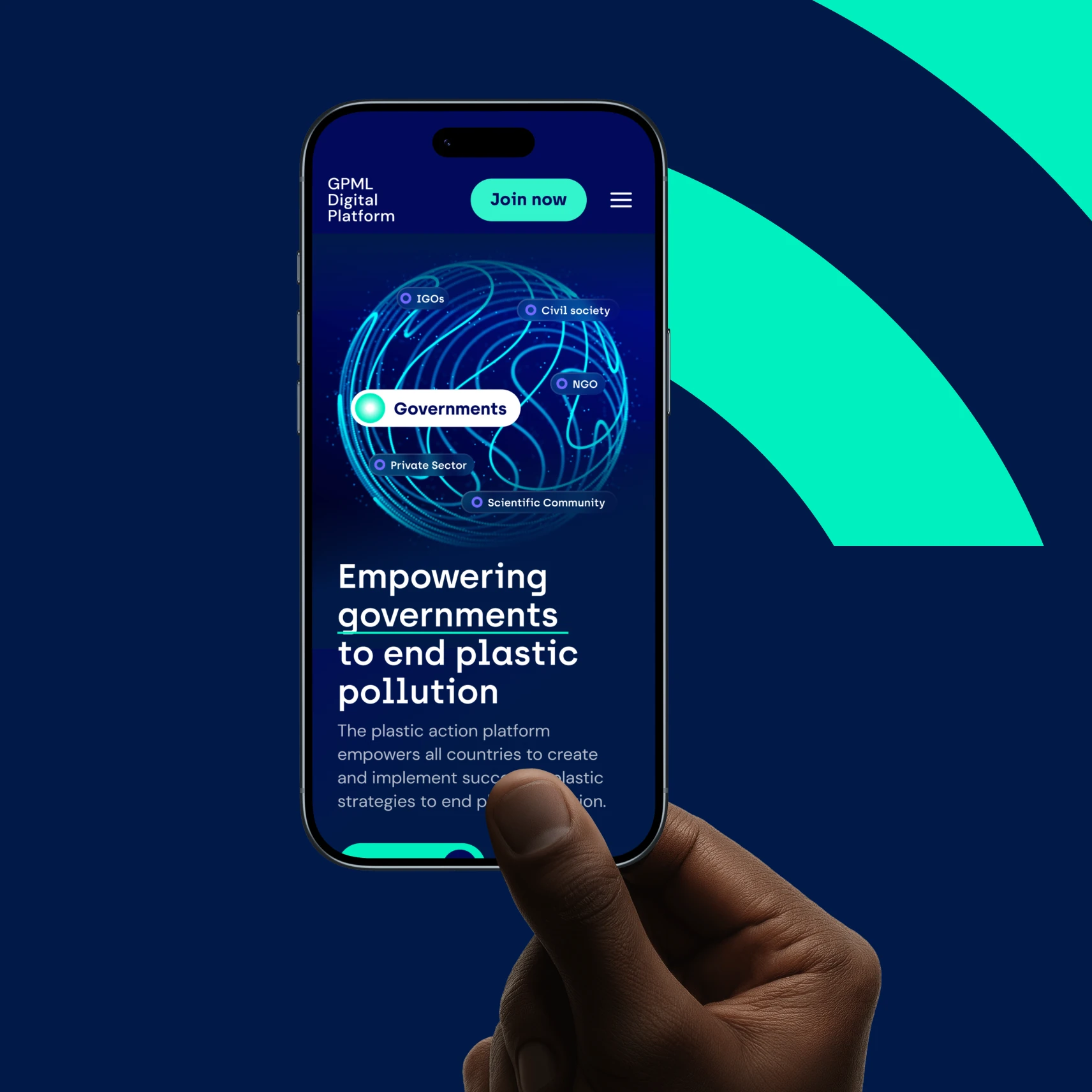
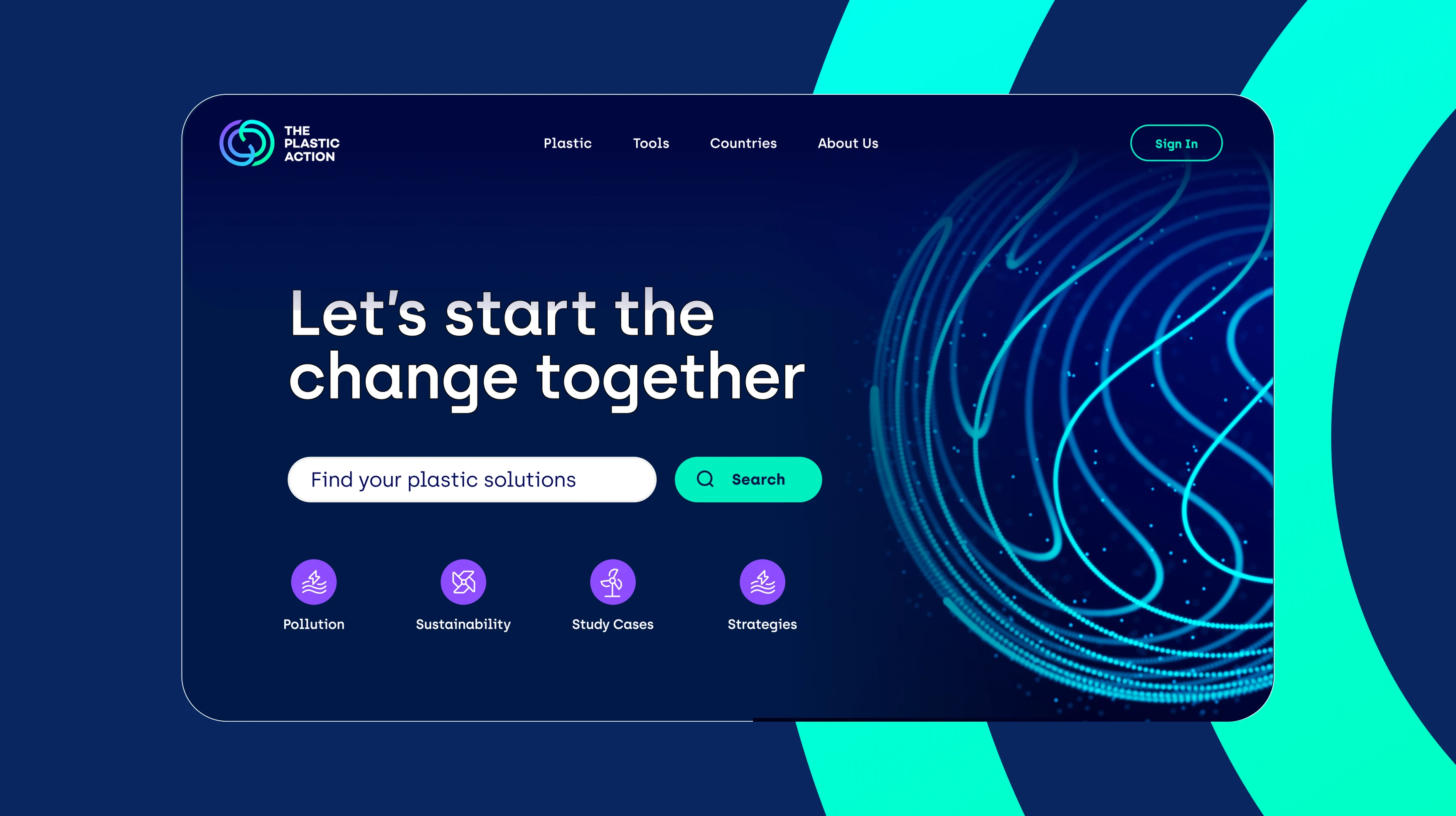
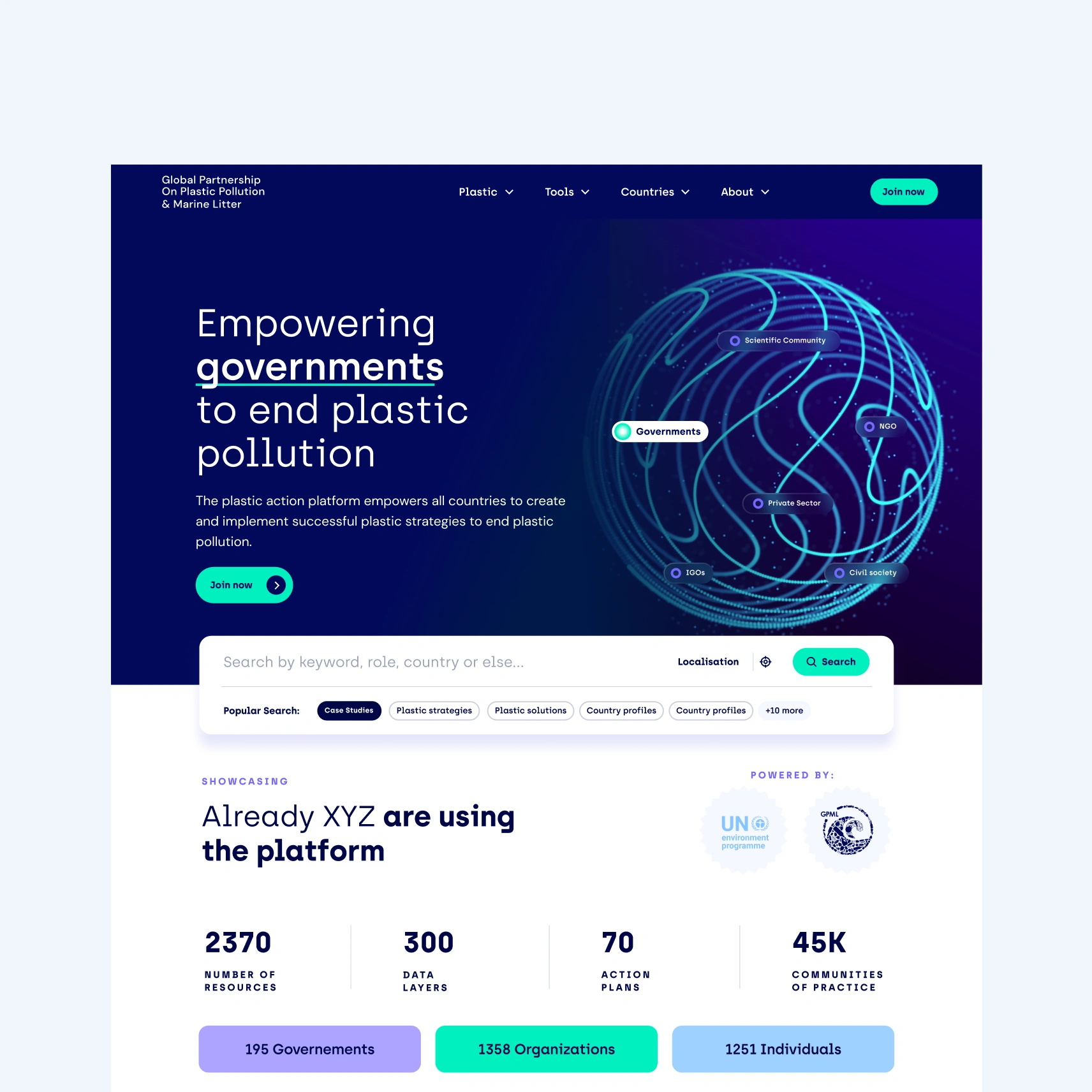
The homepage opens with a living globe of connected lines. Each stakeholder group (Governments, NGOs, the Private Sector, the Scientific Community, IGOs and Civil Society) appears as a point in one shared network. A search bar is placed right in the hero, so visitors can go straight to case studies, plastic strategies or country profiles.
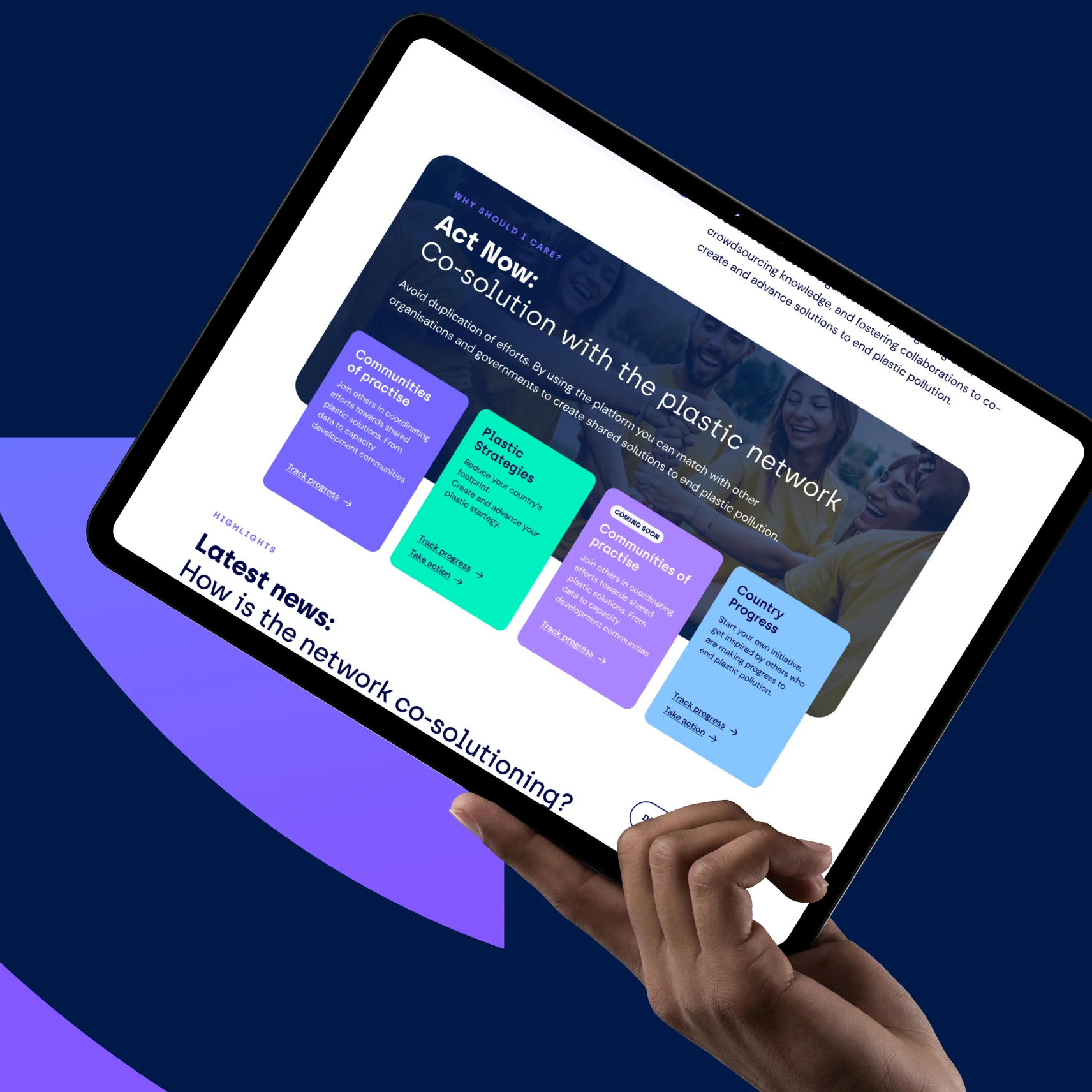
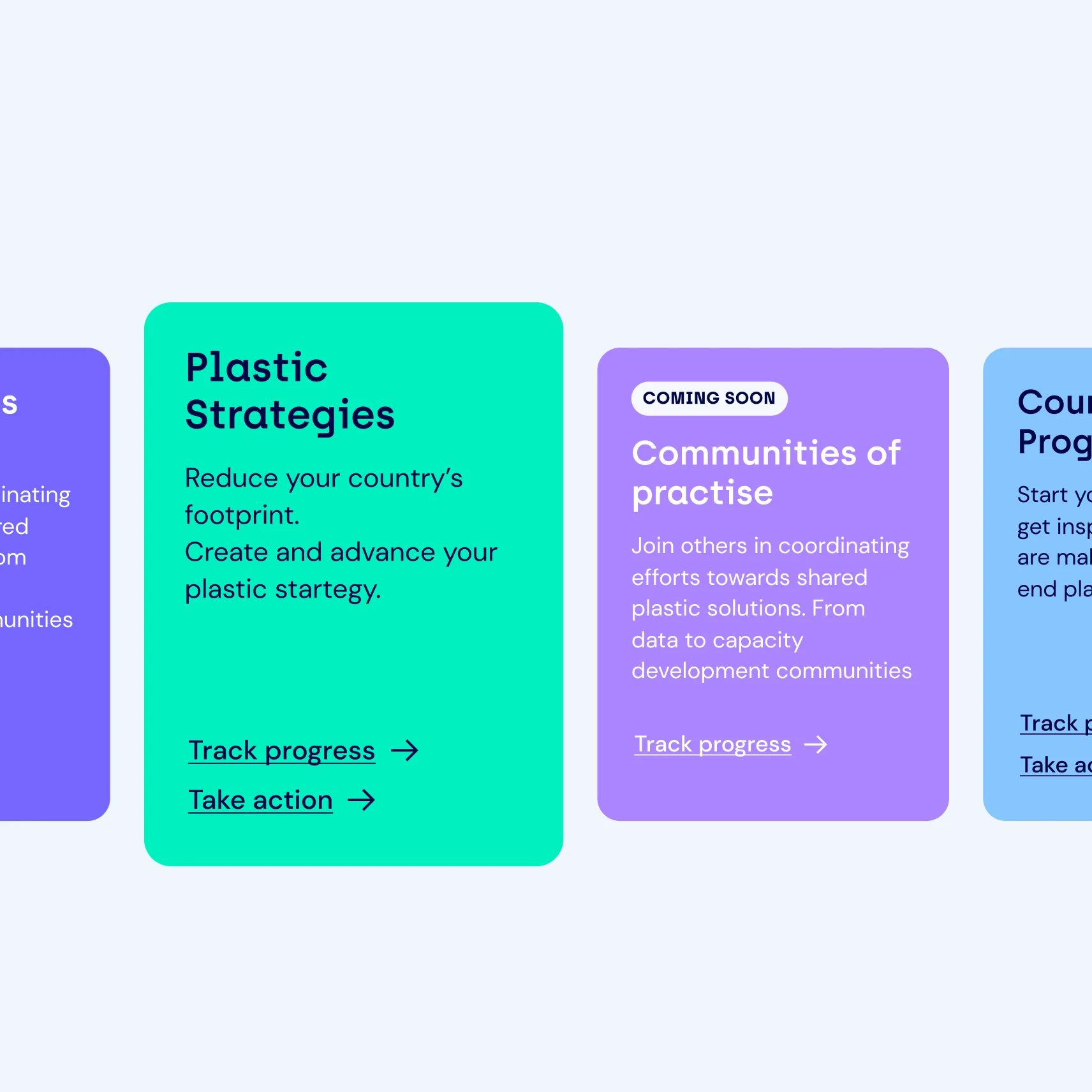
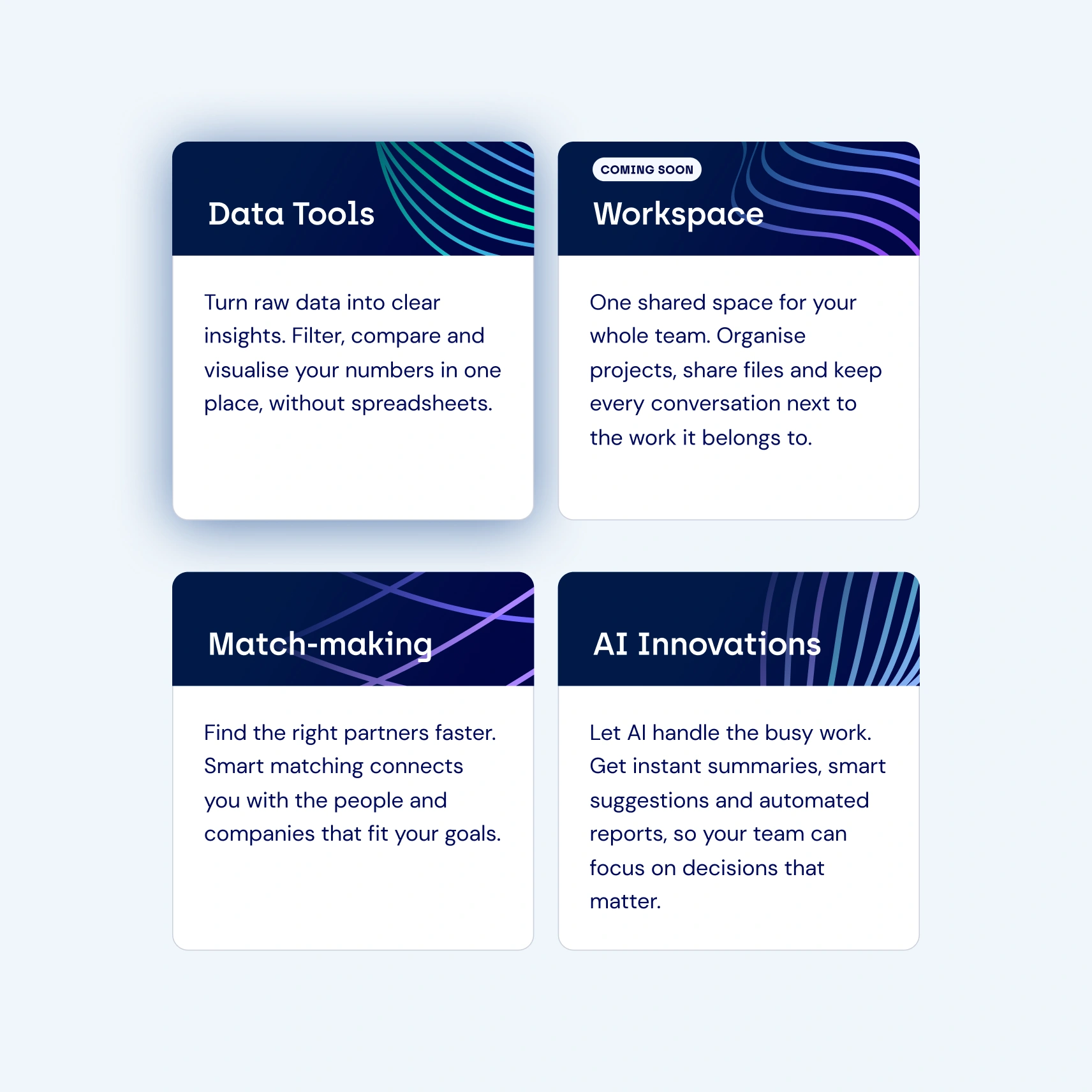
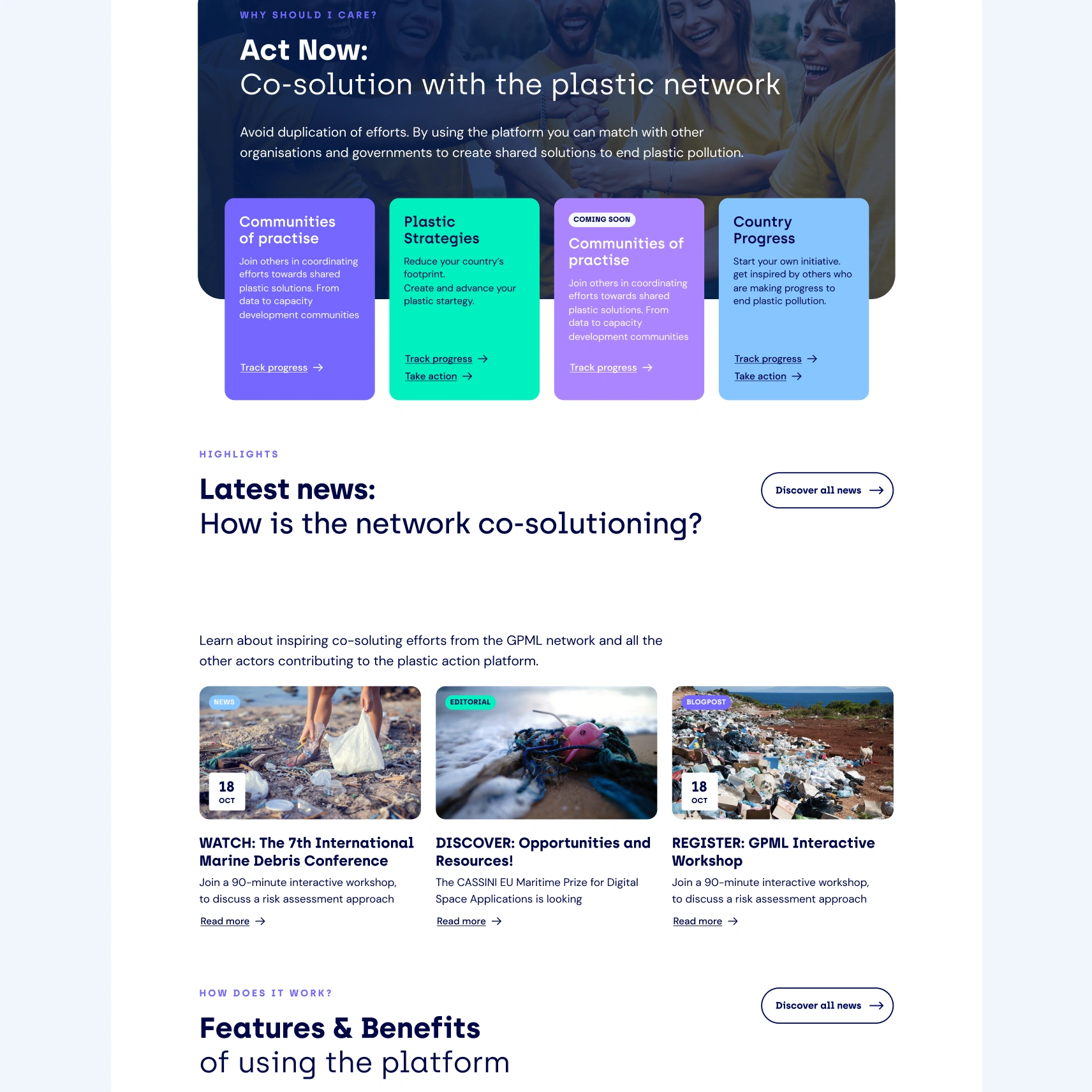
Colour-coded cards guide people to the core tools: Communities of Practice, Plastic Strategies, Country Progress, Data Tools, a shared Workspace, Match-making and AI-powered features. We designed the experience mobile-first and designed the layouts on desktop, tablet and phone. That way, a minister on a laptop and a volunteer on a phone get the same clear path to action.